AI tools are becoming a regular part of running a small business. But before you start pasting client details into a chatbot, it’s worth understanding what actually happens to that information.
AI assistants like Claude are showing up in all sorts of business workflows these days. Drafting emails, summarising documents, writing proposals, handling customer queries. For small business owners who are already stretched thin, the appeal is obvious.
But a fair question keeps coming up: what happens to the information I type in? Is it safe to use Claude with real client data?
These are the right questions to be asking. Here’s a straightforward breakdown.
Who Makes Claude?
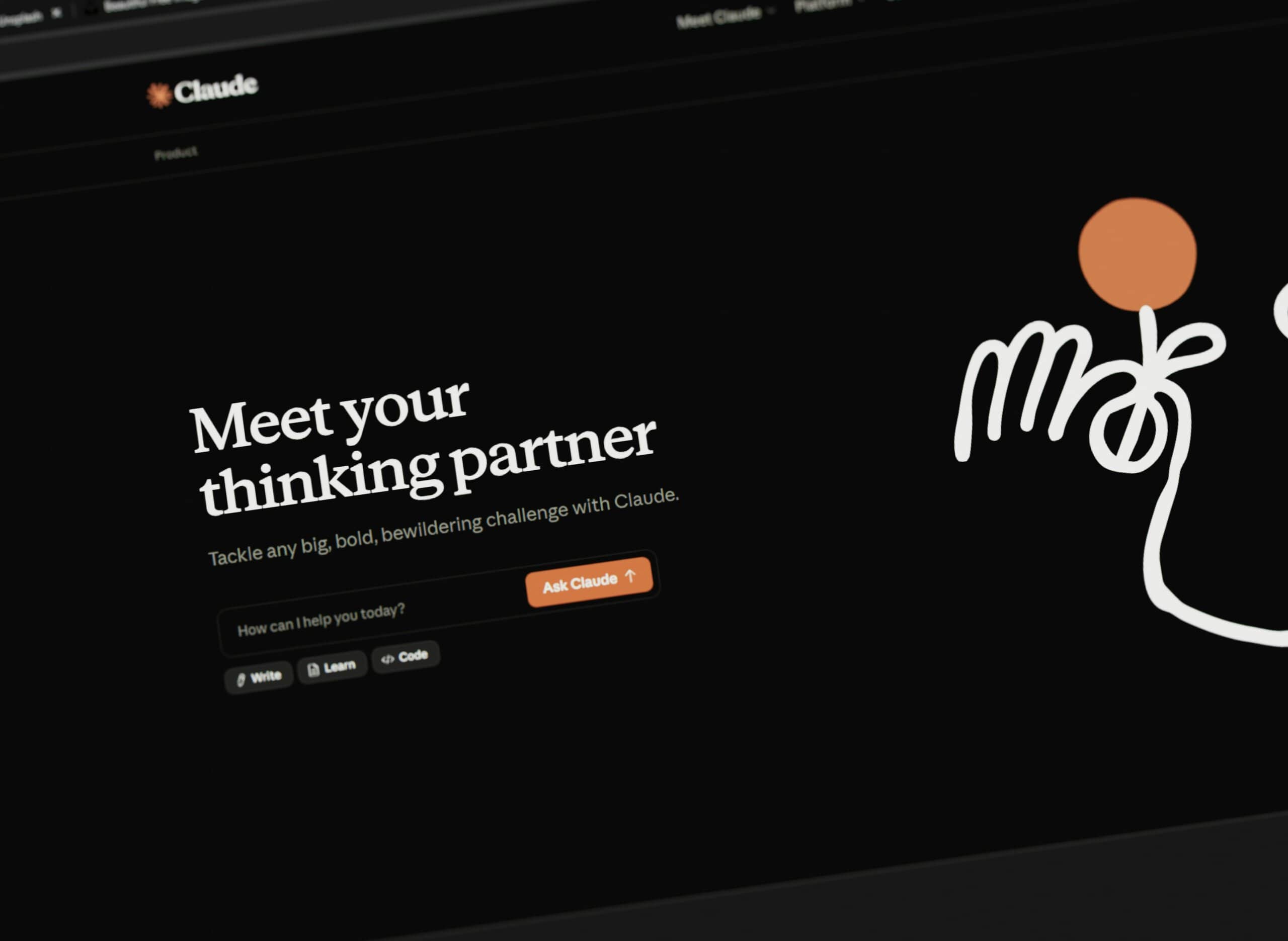
Claude is an AI assistant developed by Anthropic, a US-based AI safety company. You can use it directly at claude.ai, or through other applications that are built on top of it.
Does Anthropic Sell Your Data?
According to Anthropic, they don’t sell user data to third parties, and Claude products are ad-free. It’s worth reviewing their privacy policy directly to understand what this means for your situation.
Is Your Data Used to Train the AI?
This depends on which plan you’re using.
Free plan: Your conversations may be used to help improve Claude over time. You can opt out of this in your account settings.
Pro, Team and Enterprise plans: Anthropic states they don’t use your conversations to train Claude. What you type in stays private.
If you’re regularly using Claude for work, particularly anything involving client details, upgrading to a paid plan is a sensible step.
What About Sensitive Client Information?
This is the part that deserves the most thought, regardless of which AI tool you’re using.
Claude isn’t automatically compliant with industry regulations. If your business operates in a regulated field such as healthcare, finance, legal or accounting, you have specific obligations around how client data is stored and handled. Using Claude doesn’t automatically satisfy those requirements.
To put it in practical terms: if you’re a mortgage broker, financial adviser, accountant or conveyancer, you’re likely bound by obligations under legislation such as the Privacy Act 1988, the Australian Privacy Principles, or sector-specific rules set by bodies like ASIC or APRA. These frameworks govern how personal and financial information is collected, stored, accessed and shared.
Typing a client’s name, financial position, loan details or identification information into an AI tool could be considered a form of data sharing or disclosure, depending on how that tool processes and stores information. The fact that it’s a helpful productivity tool doesn’t change the underlying obligation.
This doesn’t mean AI tools are off limits for regulated businesses. It does mean you need to think carefully about what you’re sharing and why. A few questions worth asking before using Claude with client data:
Does my client know their information may be processed by a third-party AI tool? In some cases, consent or disclosure may be required.
Is the information actually necessary? Often you can get the same result by describing the scenario without including real names, figures or identifying details.
Have I reviewed Anthropic’s privacy policy and terms? If you’re on an Enterprise plan and have a data processing agreement in place, your position is clearer. If you’re on a free or standard plan, it’s worth understanding exactly what you’re agreeing to.
Have I spoken to my compliance adviser or professional body? If you’re unsure, that’s the right call. Industry bodies like the MFAA, FPA or relevant legal associations may have guidance on AI tool usage that applies to your licence obligations.
What If You’re Using Claude Through a Third-Party App?
Claude is built into a growing number of tools and platforms. If you’re accessing it through a third-party product rather than directly through Anthropic, the data handling terms of that platform also apply. It’s always worth checking the privacy policy of any tool you use.
Thinking About Your Broader IT Setup
Using AI tools responsibly is just one piece of the puzzle. It sits alongside the wider question of how well your business data is protected day to day.
Things like secure email, endpoint protection, cloud backups and cyber security monitoring all contribute to keeping your business and your clients’ information safe. These aren’t just IT concerns, they’re business continuity concerns.
If you’re at the point where you’re thinking seriously about how your business handles data and technology, it may be worth looking at whether your current setup is keeping pace. Our Complete Business Essentials plan brings together Microsoft 365, managed cyber security, cloud backups and remote tech support into a single, straightforward monthly package. It won’t manage your Claude account for you, but it does take care of the foundational layer that everything else sits on.
The Bottom Line
For most everyday business tasks such as drafting content, summarising notes or brainstorming ideas, Claude is a well-built, privacy-conscious tool. Anthropic states that they take data handling seriously, don’t serve ads, and don’t sell your information, but it’s always worth reading their privacy policy for the full picture.
That said, no AI tool replaces good data habits. Don’t share information you don’t need to share. Use a paid plan if you’re handling anything business-sensitive. And if you work in a regulated industry, get proper advice before building AI into workflows that touch client data.
Used thoughtfully, Claude can be genuinely useful for your business. The key word is thoughtfully.
Have questions about how your business data is being handled, or whether your current IT setup is up to scratch? Get in touch with the Razz Hosting team.